Delivery throughout Greece - Free shipping for all orders over €40 within the Greater Athens area (within capital limits)
Throughout September, spend €19.99 or more on select kids' snacks and get a FREE lunch bag!
Delivery throughout Greece
Free shipping for all orders over €40 within the Greater Athens area (within capital limits)
Throughout September, spend €19.99 or more on select kids' snacks and get a FREE lunch bag!
-3.png)
If you are fasting or planning to fast, you might be wondering which fish are allowed and which are not. The truth is that there are specific rules and exceptions on this topic, so to help you understand clearly what is permitted and what isn’t, we’ve prepared a guide that answers all your questions.
Let’s take a look at which fish are suitable for fasting, as well as the days during fasting when you are allowed to eat fish!
Fish are allowed only on specific days during fasting. However, which days these are depends on the fasting period (Lent and the Christmas fast), as each has different rules. Let’s look at them in detail:
Fish are generally not allowed during Lent, just like other animal products such as meat and dairy. However, there are certain days within Lent when fish consumption is permitted. These days are March 25 (Feast of the Annunciation) and Palm Sunday, the last Sunday before Holy Week.
On all other days of Lent, fish are not allowed because they are considered to have blood, whereas seafood is permitted since it is considered “bloodless.”
The Christmas fast, which lasts from November 15 to December 24, is not as strict as Lent. Fish is allowed from November 21 to December 17, except on Wednesdays and Fridays. From December 18 onward, fish is no longer allowed, but seafood is still permitted.
There are no fish that are considered bloodless and therefore suitable for fasting. Instead, all seafood (shellfish and mollusks) is considered fasting-friendly, meaning you can consume it throughout the fasting period.
During fasting, you can create countless fasting-friendly recipes using seafood such as:
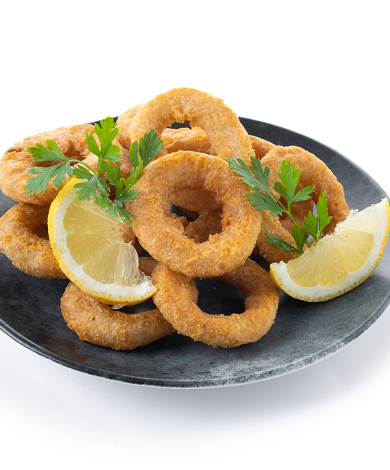
Squid is an excellent source of protein during fasting periods when fish and other animal products are not allowed. It is also rich in nutrients such as copper, omega-3 fatty acids, selenium, and vitamin B12. These contribute to heart and bone health, muscle maintenance, and immune support.
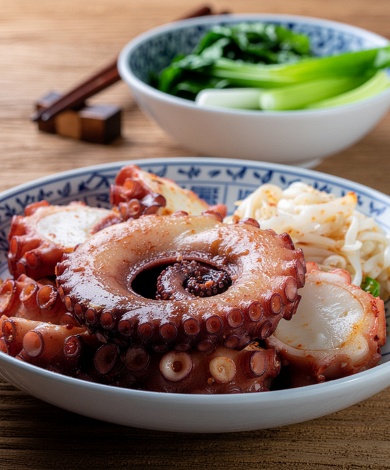
Octopus is another protein-rich food that also contains selenium, iron, omega-3 fatty acids, and B vitamins. It can easily be included in your fasting diet, offering benefits such as reduced cholesterol, increased energy, and support for the nervous system. It is also low in calories and very filling, making it ideal if you are trying to lose weight.
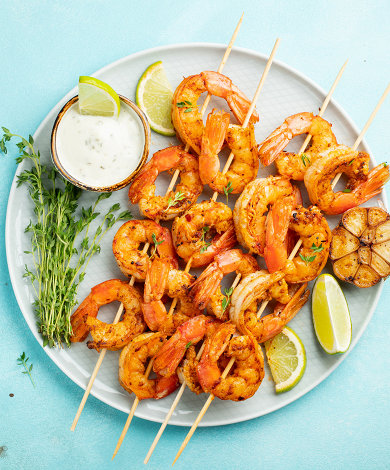
Easy to cook, low in calories, and rich in protein, shrimp are one of the most popular seafood choices during Lent. They also contain omega-3 fatty acids (EPA and DHA), vitamin B12 for proper nervous system function, and astaxanthin, a powerful antioxidant.
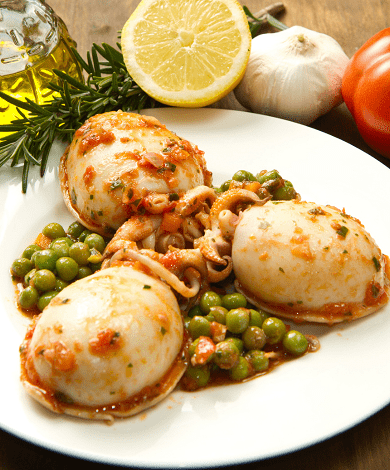
Cuttlefish, like squid, belongs to the mollusk family and is one of the best fasting-friendly alternatives to fish. It is rich in protein and nutrients such as B vitamins, vitamin C, vitamin A, iron, and phosphorus. Its high nutritional value supports heart health, the nervous system, and metabolism.
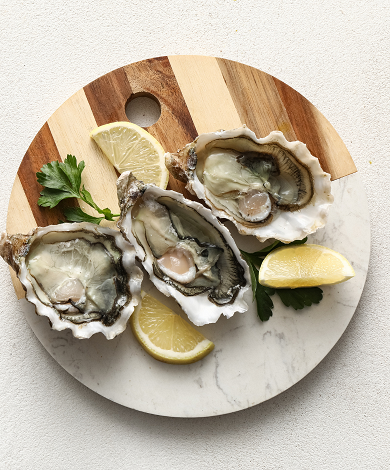
Rich in minerals and nutrients like vitamins D and B12, manganese, and selenium, oysters are a popular choice during fasting and beyond. They help support heart health, strengthen the immune system, protect bone health, and combat oxidative stress.
No, tuna is not allowed during fasting, except on the specific days mentioned earlier when fish consumption is permitted. Therefore, the same rules that apply to other fish also apply to tuna.
In general, fish are not allowed during fasting, with a few exceptions. However, this doesn’t mean you have to miss out on protein while fasting! Seafood, which is permitted, provides not only protein but also many other valuable nutrients and a wide variety of cooking options.
At Biologiko Xorio you can find the best seafood and fasting-friendly products to create delicious, nutritious meals during fasting!
 Back to School Offers
 Offers
 Food Supplement Offers
 New Products
 Ready Made Meals
 Green Village
 O Manavis tou Xoriou
 Organic Fruit & Vegetables
 Organic Meat & Fish
 Dairy & Chilled Food
 Breakfast, Drinks & Coffee
 Cheeses & Cold Cuts
 Delicatessen
 Pastries & Confectionery
 Snacking
 Special Diet
 Food Supplements
 Drinks
 Frozen food
 Asian Cuisine
 Babies & Kids Products
 Personal Care Products
 Homecare Products
 Cotton Tote Bag

The raw materials of the product are not tested on animals.

The product is suitable for those who follow the rules of the Dukan diet.

The product has ingredients that give energy, endurance and well-being.

The product contains at least 6g of fibre per 100g or at least 3g of fibre per 100kcal.

20% of the energy value of the product is provided by protein.

The product is suitable for those who follow the rules of the Keto diet.

The product is conventional with added value.

The product does not contain parabens (esters that act as preservatives).

The product is suitable for those who follow the rules of veganism.

The product is suitable for those who follow the rules of vegetarianism.

The product is produced according to the rules of organic agriculture-farming.

The product is a Protected Designation of Origin product and is produced in a recognized geographical area, which is responsi- ble for its characteristics and quality.

The product does not contain more than 0.3g of salt per 100g or per 100ml of product.

The product does not contain more than 0.0125g of salt per 100g or per 100ml of product

The product contains less than 20ppm gluten and is suitable for those with celiac disease (gluten enteropathy).

The product does not contain lactose and is suitable for those who are lactose intolerant.

The product has no added sugar and the sugars come from sweeteners and/or from the natural sugars of its raw materials.

The product does not contain more than 0.5g of sugars per 100g or 100ml of product.