Delivery throughout Greece - Free shipping for all orders over €40 within the Greater Athens area (within capital limits)
Throughout September, spend €19.99 or more on select kids' snacks and get a FREE lunch bag!
Delivery throughout Greece
Free shipping for all orders over €40 within the Greater Athens area (within capital limits)
Throughout September, spend €19.99 or more on select kids' snacks and get a FREE lunch bag!
-45.png)
Lent is a period during which many people choose to observe fasting, adjusting their diet and trying more fasting-friendly food options. However, many people wonder exactly what foods are allowed and which ones should be avoided during this time.
In this article, we will take a closer look at what we eat and what we avoid during the Lenten fast and Holy Week, the main categories of fasting foods, and the key nutritional aspects to consider. We also share a sample meal plan to help you organize your fasting easily and in a balanced way.
The Lenten fast, according to our religious tradition, lasts approximately 40 days. It begins on Clean Monday and ends during Holy Week, specifically on Holy Saturday, before the Resurrection.
During Lent we mainly consume plant-based foods, making it an ideal opportunity to increase the intake of plant foods in our daily diet. The main foods that form the core of the fasting diet are the following:
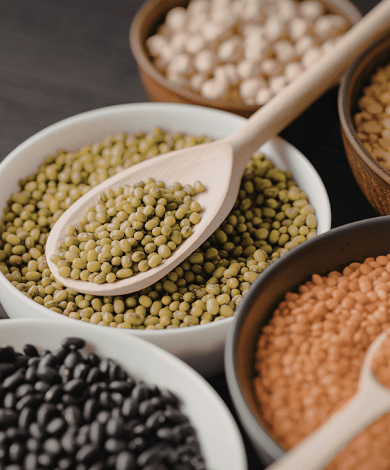
Legumes play a leading role on the fasting table. They are an excellent source of plant-based protein and at the same time provide a wide range of nutrients such as vitamins, minerals, trace elements, and valuable dietary fiber.
As we will see, because animal products are excluded from the fasting diet, legumes become one of the main sources of protein to help meet our nutritional needs during this period.

Vegetables are allowed during the Lenten fast and should be a fundamental pillar of the diet both during fasting and throughout the year. Whether eaten raw or cooked, they provide vitamins, antioxidants, fiber, and trace elements necessary for the proper functioning of our body.
Fruits are equally important. Rich in vitamins and naturally sweet, they can and should be part of the Lenten diet—they are the perfect snack for any time of the day.
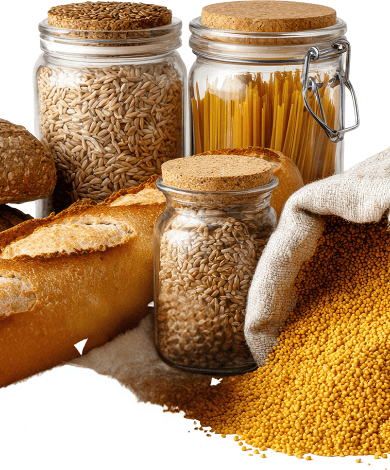
Options such as bread and rusks, rice, bulgur, barley, whole-grain pasta, and breakfast cereals without added sugar are excellent choices.
Prefer complex carbohydrates, as they help maintain stable energy levels and keep you full for longer, helping you avoid unnecessary snacking.
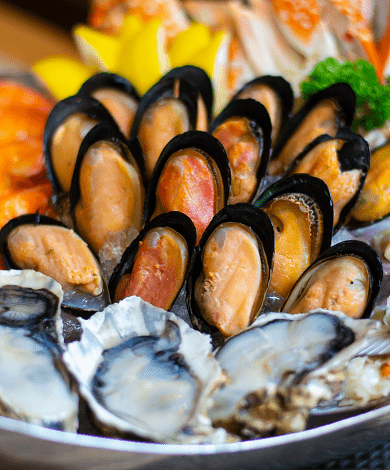
Seafood is the ultimate alternative source of high-quality protein, especially during the Easter fasting period.
Octopus, squid, cuttlefish, and shrimp are very good sources of lean protein, omega-3 fatty acids, as well as various minerals and trace elements.
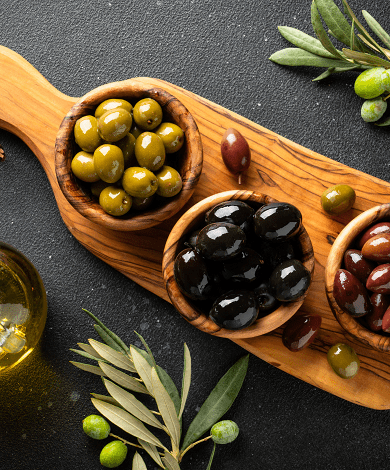
From a nutritional perspective, these foods provide high-quality fats along with beneficial phytonutrients that enhance fasting meals.
They add extra energy, help with the absorption of fat-soluble vitamins, and give wonderful flavor to Lenten recipes. They can be used in salads, snacks, or desserts, enriching meals with valuable nutrients.
During Lent, animal-based foods and their derivatives are avoided, creating a dietary pattern mainly based on plant foods.
Let’s take a closer look at the foods that are avoided during this period:
For the fasting diet to remain balanced and to avoid nutritional deficiencies caused by the exclusion of certain foods, variety and balance are essential.
The key nutrients we should make sure to include during fasting are the following:
Protein-rich foods are essential for maintaining muscle mass and supporting the proper functioning of the body’s major systems. They also enhance the feeling of fullness.
Since almost all animal foods are excluded during fasting, our protein options become more limited. Therefore, it is important to focus on legumes, seafood, and plant foods such as soy, tofu, and quinoa to ensure adequate protein intake.
Because dairy products—which are a primary source of calcium in the usual diet—are excluded during fasting, it is helpful to include alternative calcium sources such as:
Iron is essential for transporting oxygen in the blood and maintaining good energy levels. During fasting, red meat—one of the main sources of heme iron, which is more easily absorbed by the body—is excluded.
Therefore, it is important to frequently consume legumes, which are the main source of non-heme iron. To enhance iron absorption, try to include a source of vitamin C (such as tomato, lemon, or peppers) in meals that contain legumes, and avoid factors that inhibit absorption, such as coffee or tea close to meals.
Omega-3 fatty acids are essential for supporting brain and cardiovascular health.
Since fatty fish—the main source of omega-3s—are restricted during Lent, it is important to include alternative sources such as walnuts, flaxseeds, chia seeds, and seafood.
Holy Week is considered the strictest period of the Lenten fast, with a more restrictive dietary framework compared to the previous weeks, as it prepares the faithful for the Resurrection.
During Holy Week you are allowed to eat:
During Holy Week you should avoid:
Note: Good Friday is considered the strictest fasting day of the year. Many believers traditionally follow a very strict fast, consuming minimal and simple food, without oil and often without cooked meals.
Below is a sample weekly meal plan for the Easter fast, with balanced fasting meals rich in nutrients and proper food combinations.
Breakfast: Whole-grain bread with almond butter and banana
Snack: Seasonal fruit with nuts
Lunch: Shrimp skewers with seasonal salad
Dinner: Whole-grain tortilla with hummus and grilled vegetables
Breakfast: Whole-grain bread with avocado and mushrooms
Snack: Homemade cereal bar with tahini, dark chocolate, and nuts
Lunch: Cold salad with black-eyed beans, quinoa, and vegetables
Dinner: Vegetable soup with tofu
Breakfast: Soy yogurt with oats, fruit, and nuts
Snack: 2 crispbreads with hummus and cucumber
Lunch: Stewed squid with rice and seasonal salad
Dinner: Roasted mushrooms and potatoes with seasonal salad
Breakfast: Almond milk with whole-grain cereals
Snack: Olive bread or rusk with olive paste and tomato
Lunch: Octopus with short pasta and seasonal salad
Dinner: Salad with quinoa, chickpeas, and mixed vegetables
Breakfast: Whole-grain bread with hummus and cherry tomatoes
Snack: Seasonal fruit with a little peanut butter
Lunch: Lemon peas with potatoes and (optionally) a little tofu
Dinner: Fasting dakos with rusks, avocado, corn, and tahini sauce
Breakfast: Soy yogurt with dried fruits, flaxseeds, and peanut butter
Snack: 2 homemade energy balls with dates and cocoa
Lunch: Lentil soup and green salad
Dinner: Vegetable patties with sweet potatoes
Breakfast: Tahini pie and one portion of fruit
Snack: Soy yogurt with seasonal fruit
Lunch: Falafel with roasted potatoes and seasonal salad
Dinner: Bulgur salad with grilled shrimp
Do you still have questions about what we eat and what we avoid during fasting? You can find the answers below.
Alcohol consumption during Lent depends on the day and the strictness of the fast. During Holy Week it is usually completely avoided, while the Orthodox Church generally allows wine on weekends only (except Holy Saturday).
Tuna is considered fish, therefore it is not allowed during Lent except on the two days when fish consumption is permitted: March 25 (Annunciation) and Palm Sunday.
All plant-based oils (olive oil, sunflower oil, corn oil, sesame oil, etc.) are considered suitable for fasting and may be consumed during the Lenten fast, except during certain days of Holy Week when abstaining from oil is traditionally observed.
During the Lenten fasting period, with the right food choices, variety, and emphasis on plant proteins, healthy fats, and essential nutrients, we can create delicious and nutritionally complete meals without deprivation.
Visit Biologiko Xorio to find all the quality products you need for a delicious and nutritious fasting table!
Efi Koloverou
Clinical Dietitian
Specialization: Obesity – Diabetes
Ph.D., Harokopio University
 Back to School Offers
 Offers
 Food Supplement Offers
 New Products
 Ready Made Meals
 Green Village
 O Manavis tou Xoriou
 Organic Fruit & Vegetables
 Organic Meat & Fish
 Dairy & Chilled Food
 Breakfast, Drinks & Coffee
 Cheeses & Cold Cuts
 Delicatessen
 Pastries & Confectionery
 Snacking
 Special Diet
 Food Supplements
 Drinks
 Frozen food
 Asian Cuisine
 Babies & Kids Products
 Personal Care Products
 Homecare Products
 Cotton Tote Bag

The raw materials of the product are not tested on animals.

The product is suitable for those who follow the rules of the Dukan diet.

The product has ingredients that give energy, endurance and well-being.

The product contains at least 6g of fibre per 100g or at least 3g of fibre per 100kcal.

20% of the energy value of the product is provided by protein.

The product is suitable for those who follow the rules of the Keto diet.

The product is conventional with added value.

The product does not contain parabens (esters that act as preservatives).

The product is suitable for those who follow the rules of veganism.

The product is suitable for those who follow the rules of vegetarianism.

The product is produced according to the rules of organic agriculture-farming.

The product is a Protected Designation of Origin product and is produced in a recognized geographical area, which is responsi- ble for its characteristics and quality.

The product does not contain more than 0.3g of salt per 100g or per 100ml of product.

The product does not contain more than 0.0125g of salt per 100g or per 100ml of product

The product contains less than 20ppm gluten and is suitable for those with celiac disease (gluten enteropathy).

The product does not contain lactose and is suitable for those who are lactose intolerant.

The product has no added sugar and the sugars come from sweeteners and/or from the natural sugars of its raw materials.

The product does not contain more than 0.5g of sugars per 100g or 100ml of product.