NEW! Same-Day Delivery with Wolt Drive in Just 60 Minutes 🛵
NEW! Same-Day Delivery with
Wolt Drive in Just 60 Minutes 🛵
-127.png)
Protein is one of the three essential macronutrients your body needs to function properly, along with carbohydrates and fats. It is a key building block of muscles, bones, skin and tissues, while also playing an important role in functions such as the production of hormones, enzymes and antibodies.
Therefore, whether you are trying to lose weight and want to preserve your muscle mass, exercising and looking to support post-workout recovery, or simply aiming to improve your diet, protein plays a crucial role in your daily health and well-being.
Protein is an essential macronutrient that contributes to the formation, growth and repair of the body's tissues.
It is made up of smaller units called amino acids, which are linked together in chains to form different types of proteins that participate in vital bodily functions.
More specifically, there are 20 different amino acids involved in protein synthesis. Of these 20 amino acids, 9 are considered essential because the body cannot produce them on its own. As a result, we must obtain them through our diet.
You may also be interested in: How Much Protein Do I Need? All Your Questions Answered!
Protein is involved in many essential physiological processes in the body. As mentioned above, it is a structural component of cells and contributes to the production of substances that are necessary for the body's proper functioning. More specifically, protein helps with:
Cell renewal and repair: It participates in the formation of new cellular structures, as well as the renewal and repair of tissues such as muscles and skin.
The production of digestive enzymes: It contributes to the production of digestive enzymes, such as pepsin and trypsin, which break down dietary proteins and facilitate digestion and the absorption of amino acids.
Hormone production: It participates in the synthesis of hormones such as insulin and growth hormone, which regulate important metabolic and developmental functions.
The body's immune defence: It contributes to the production of antibodies, which recognise and attempt to neutralise foreign substances entering the body, such as viruses and bacteria, thereby supporting the immune response.
Muscle function: The proteins actin and myosin work together to enable muscle contraction and body movement. At the same time, adequate protein intake supports the maintenance of muscle mass.
Maintaining fluid balance: Albumin, a major blood protein, helps maintain osmotic pressure and the proper distribution of fluids between blood vessels and tissues.
Blood clotting: Proteins such as fibrinogen participate in the blood-clotting process, helping to limit bleeding after an injury.
Some of the main benefits of protein include the following:
Protein helps you feel full for longer because it is digested more slowly than carbohydrates. As a result, it remains in the stomach for a longer period, delaying gastric emptying. It also affects appetite-regulating hormones, such as GLP-1, enhancing feelings of fullness and helping you manage hunger more effectively.
As we get older, our muscle mass tends to gradually decrease. Adequate protein intake, combined with strength-training exercises, helps limit muscle loss and maintain physical function in the long term.
Protein is an important component of bone structure and contributes to maintaining bone mass. Therefore, adequate protein intake is essential as part of a balanced diet that includes calcium and vitamin D.
Protein can help you manage your body weight, especially if you are trying to lose weight, as it increases satiety and helps preserve muscle mass.
You may also like: High-Protein Healthy Foods for Muscle Definition.
After a workout, your muscles need amino acids to repair the damage caused by exercise and adapt to different training stimuli. Consuming protein after exercise supports muscle recovery and the muscle rebuilding process.
Protein provides all the essential amino acids the body needs to produce structural components such as collagen and keratin, which help maintain the structure and normal condition of the skin, hair and nails.
In conclusion, protein is not essential only for people who exercise or aim to increase their muscle mass. Adequate daily protein intake supports satiety, weight management, muscle recovery and overall health.
Protein provides 4 calories per gram, the same amount of energy as carbohydrates, but less than fat, which provides 9 calories per gram. However, calorie content is not the only factor that determines the nutritional value of a food, as each micronutrient performs different and essential functions in our body.
Protein can effectively contribute to body fat loss because it helps preserve muscle mass during weight-loss efforts. However, protein alone does not cause fat loss. For this to happen, a person must be in a calorie deficit, meaning they consume less energy than they burn. Adequate protein intake can make this process more effective and sustainable in the long term.
Combining protein with carbohydrates is an ideal approach, as it can provide the body with energy. More specifically, carbohydrates replenish glycogen stores and supply the body with readily available energy, while protein provides the essential amino acids needed for muscle repair and growth.
In this way, you can create more complete and nutritious meals that help promote satiety and meet your daily nutritional needs.
Some easy and nutritious combinations you can include in your diet are:
Yogurt with oats and fruit: An easy option for breakfast or a snack, combining protein, carbohydrates and fibre.
Quinoa or brown rice with legumes or tofu: A suitable option for those following a vegetarian diet or fasting.
Chicken with sweet potatoes: A balanced meal combining high-quality protein with complex carbohydrates.
Eggs with wholegrain bread: An easy combination of protein and carbohydrates for a satisfying meal.
⇒ At Biologiko Chorio, you will find dozens of protein-rich recipes to help you incorporate more protein into your daily diet!
Increasing your daily protein intake does not have to be difficult or require dramatic changes. On the contrary, there are simple ways to include more protein-rich foods in your main meals and snacks by choosing both animal and plant-based protein sources.
Here are some practical ideas you can apply to your daily routine:
Breakfast is a great opportunity to include protein in your diet. Instead of choosing plain bread or cereal, try adding yogurt, milk, cottage cheese or eggs.
Smoothies are also a great and practical idea, especially on days when you do not have much time to prepare breakfast. Combine milk or your favourite plant-based drink with fruit, peanut butter and chia seeds. If needed, you can also add protein powder.
Learn more: High-Protein Breakfast: Healthy Ideas and Protein-Rich Foods.
Try to include at least one source of protein in every main meal and between-meal snack. You can choose eggs, cheese, yogurt, nuts, hummus or legumes.
This way, you can distribute your protein intake more evenly throughout the day without having to consume large amounts in a single meal.
Instead of choosing a snack that contains only carbohydrates, try adding a source of protein, such as a crispbread with a slice of cheese or an egg, a protein-enriched cereal bar, or fruit with a small pot of yogurt.
This way, you can meet your nutritional needs even on your busiest days.
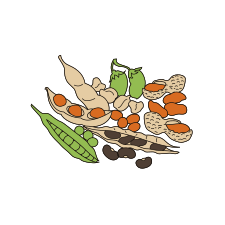
Do not forget that legumes, such as lentils, chickpeas and beans, are equally important sources of protein. Try incorporating them into your diet as soups, adding them to salads or even using them in sweet recipes.
Remember that a balanced diet starts with making the right choices. At Biologiko Chorio, you can discover a wide variety of protein-rich foods, including meat, dairy products, legumes, nuts, seeds, plant-based products and protein powder, which can help supplement your daily nutritional needs.
Christina Mikelopoulou, Dietitian – Nutritionist
Shams-White MM, Chung M, Du M, Fu Z, Insogna KL, Karlsen MC, LeBoff MS, Shapses SA, Sackey J, Wallace TC, Weaver CM. Dietary protein and bone health: a systematic review and meta-analysis from the National Osteoporosis Foundation. Am J Clin Nutr. 2017 Jun;105(6):1528-1543. doi: 10.3945/ajcn.116.145110. Epub 2017 Apr 12. PMID: 28404575.
Jäger, R., Kerksick, C.M., Campbell, B.I. et al. International Society of Sports Nutrition Position Stand: protein and exercise. J Int Soc Sports Nutr 14, 20 (2017). https://doi.org/10.1186/s12970-017-0177-8
EFSA Panel on Nutrition, Novel Foods and Food Allergens (NDA). (2018). Guidance on the scientific requirements for health claims related to muscle function and physical performance. EFSA Journal, 16(10), 5434. https://doi.org/10.2903/j.efsa.2018.5434
Morton RW, Murphy KT, McKellar SR, Schoenfeld BJ, Henselmans M, Helms E, Aragon AA, Devries MC, Banfield L, Krieger JW, Phillips SM. A systematic review, meta-analysis and meta-regression of the effect of protein supplementation on resistance training-induced gains in muscle mass and strength in healthy adults. Br J Sports Med. 2018 Mar;52(6):376-384. doi: 10.1136/bjsports-2017-097608. Epub 2017 Jul 11. Erratum in: Br J Sports Med. 2020 Oct;54(19). PMID: 28698222; PMCID: PMC5867436.
Hansen TT, Astrup A, Sjödin A. Are Dietary Proteins the Key to Successful Body Weight Management? A Systematic Review and Meta-Analysis of Studies Assessing Body Weight Outcomes after Interventions with Increased Dietary Protein. Nutrients. 2021 Sep 14;13(9):3193. doi: 10.3390/nu13093193. PMID: 34579069; PMCID: PMC8468854.
European Food Safety Authority (EFSA). (2017). Dietary reference values for nutrients: Summary report. EFSA Supporting Publication, 2017(e15121). https://doi.org/10.2903/sp.efsa.2017.e15121
Download the Biologiko Xorio app to have full control of your rewards on your mobile screen.


 Scan with your phone
 Protein Made Easy
 Food Supplement Offers
 Offers
 New Products
 Ready Made Meals
 Green Village
 O Manavis tou Xoriou
 Organic Fruit & Vegetables
 Organic Meat & Fish
 Dairy & Chilled Food
 Breakfast, Drinks & Coffee
 Cheeses & Cold Cuts
 Delicatessen
 Pastries & Confectionery
 Snacking
 Special Diet
 Food Supplements
 Drinks
 Frozen food
 Asian Cuisine
 Babies & Kids Products
 Personal Care Products
 Homecare Products
 Cotton Tote Bag

The raw materials of the product are not tested on animals.

The product is suitable for those who follow the rules of the Dukan diet.

The product has ingredients that give energy, endurance and well-being.

The product contains at least 6g of fibre per 100g or at least 3g of fibre per 100kcal.

20% of the energy value of the product is provided by protein.

The product is suitable for those who follow the rules of the Keto diet.

The product is conventional with added value.

The product does not contain parabens (esters that act as preservatives).

The product is suitable for those who follow the rules of veganism.

The product is suitable for those who follow the rules of vegetarianism.

The product is produced according to the rules of organic agriculture-farming.

The product is a Protected Designation of Origin product and is produced in a recognized geographical area, which is responsi- ble for its characteristics and quality.

The product does not contain more than 0.3g of salt per 100g or per 100ml of product.

The product does not contain more than 0.0125g of salt per 100g or per 100ml of product

The product contains less than 20ppm gluten and is suitable for those with celiac disease (gluten enteropathy).

The product does not contain lactose and is suitable for those who are lactose intolerant.

The product has no added sugar and the sugars come from sweeteners and/or from the natural sugars of its raw materials.

The product does not contain more than 0.5g of sugars per 100g or 100ml of product.